The history of the Women’s Resource Center is rooted in a simple but powerful recognition: women navigating major life transitions needed support, connection, and practical resources. In 1974, Pat Frech, a graduate student in Human Relations, envisioned a series of seminars for women anticipating or experiencing significant changes in their lives—whether returning to school, entering the workforce for the first time, or adjusting to children leaving home. Alongside Alane Atkinson, she developed “Women in Transition,” a series of discussion groups designed to empower and encourage women during periods of uncertainty and growth.
The earliest meetings were held in a satellite office of the Community Mental Health Center located at Washington School, thanks to the support of Lydia Massey. As participation and community need grew, it became clear that a permanent location was necessary. In the fall of 1974, the Women’s Resource Center was officially incorporated to pursue funding opportunities and establish long-term services for the community. Through partnerships with Norman Public Schools and the Community Mental Health Center, WRC opened its first official office at 206 ½ East Gray Street, with office hours beginning on January 13, 1975.
From its beginning, WRC focused on empowering women through education, discussion groups, and supportive programming. Soon, however, the organization’s role expanded in response to urgent community needs. In 1977, the Norman Police Department approached WRC seeking assistance for victims of sexual assault who were uncomfortable speaking with male officers. This request marked WRC’s first step into direct victim services and led to the creation of the Rape Response Team. Volunteers educated themselves using emerging national resources on sexual violence and began offering crisis response and support to survivors. Professional counselors later joined the effort, helping establish counseling services at the center.
As the organization evolved, WRC broadened its services to support survivors of domestic violence, sexual violence, and stalking. The organization’s mission became centered on the belief that all women have the right to live in safety, to be treated with dignity, to make choices, and to have hope. WRC committed itself to serving victims and their dependents in safe, secure, and confidential locations.

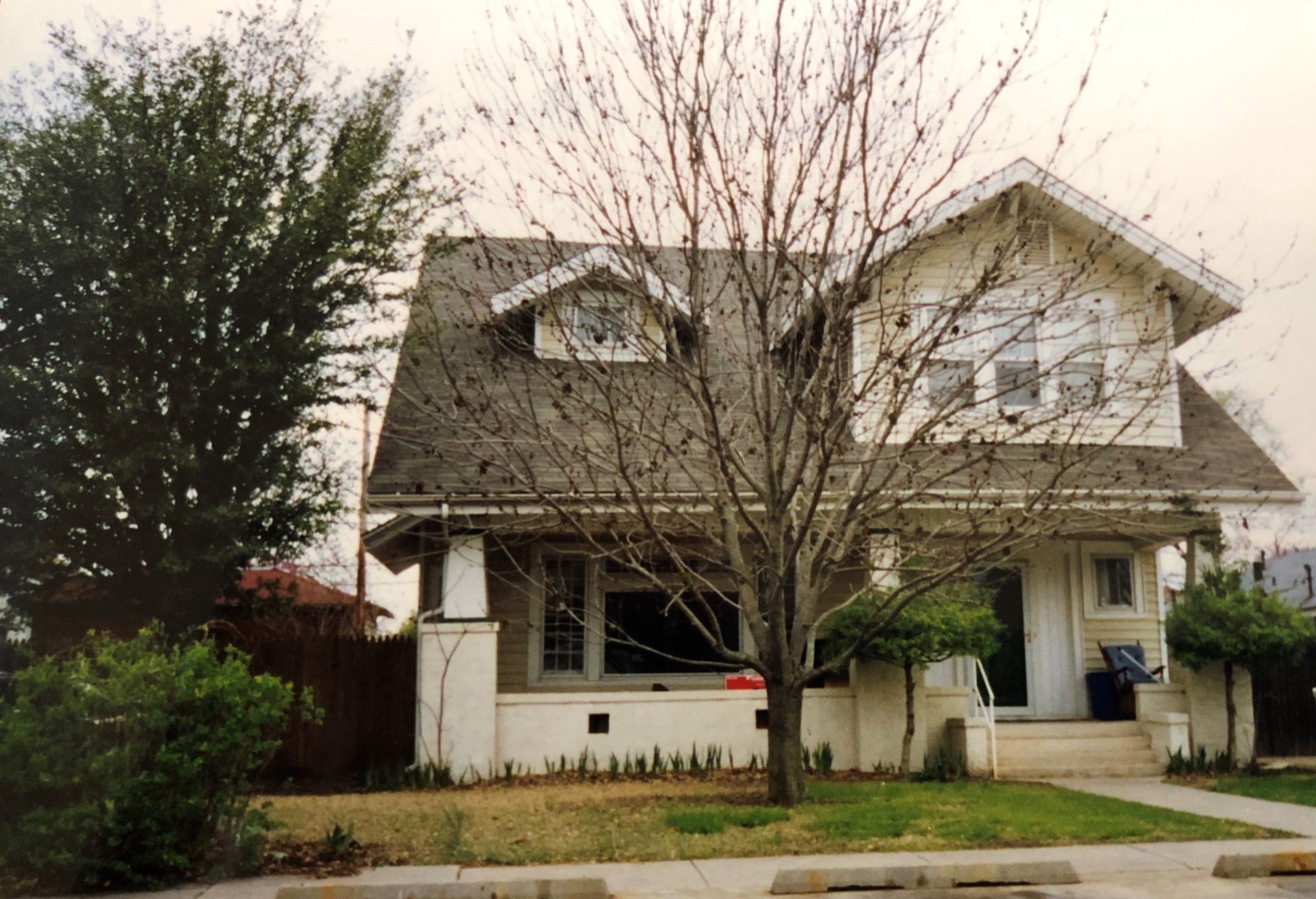
In 1980, another critical community need emerged: safe housing for victims of domestic violence. Working in partnership with the Norman Police Department and a group of community supporters, the Norman Shelter for Battered Women was established. Originally purchased by four individuals who formed the Norman Shelter Board, the shelter provided emergency housing and support services to women and children fleeing abuse. In 2003, the shelter relocated to its current location and became known as the WRC Family Shelter. Today, the shelter continues to provide crisis intervention, advocacy, education groups, supportive services, and basic necessities for survivors and their children.
WRC’s commitment to sexual assault survivors also continued to grow. In 2002, the organization received a transformative anonymous donation that allowed the shelter to relocate and supported the development of a dedicated sexual assault response facility outside of the hospital environment. The donor requested only two things: anonymity and the creation of a compassionate, survivor-centered space where victims and their support systems could receive care. In 2004, the WRC Rape Crisis Center opened, becoming the first facility of its kind in Oklahoma. The center provides crisis intervention, advocacy, supportive services, forensic exam support, and follow-up care for sexual assault survivors ages 13 and older.
Over time, WRC expanded its community-based programming to include court advocacy, crisis intervention, domestic violence education groups, support groups for sexual assault survivors, and prevention education. In 2015, WRC opened a satellite office at 222 E. Eufaula in Norman to increase accessibility for community members seeking services. Additional grant funding allowed the organization to expand trauma-informed counseling and prevention education initiatives, including healthy relationship education for youth.
Today, Women’s Resource Center continues to serve as a vital resource for survivors across the region. What began as a small discussion group for women in transition has grown into a comprehensive organization providing emergency shelter, rape crisis response, advocacy, counseling, education, and prevention services. Through decades of growth and adaptation, WRC has remained grounded in its mission to provide safety, dignity, choice, and hope to individuals and families impacted by violence.